- December 5, 2025
- 3:12 pm
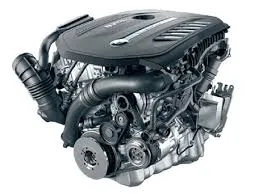
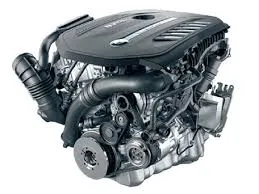
B58 PCV Problems: What They Are and Why They Happen
The BMW B58 engine has earned widespread respect for performance, smooth power delivery, and overall reliability. But one recurring problem many B58 owners eventually face is failure of the crankcase ventilation (PCV) system. When the PCV valve or diaphragm fails, it can lead to oil leaks, excessive oil consumption, exhaust smoke, rough idle — and worsening if ignored.
What Is the PCV System, and Why B58 Engines Are Vulnerable
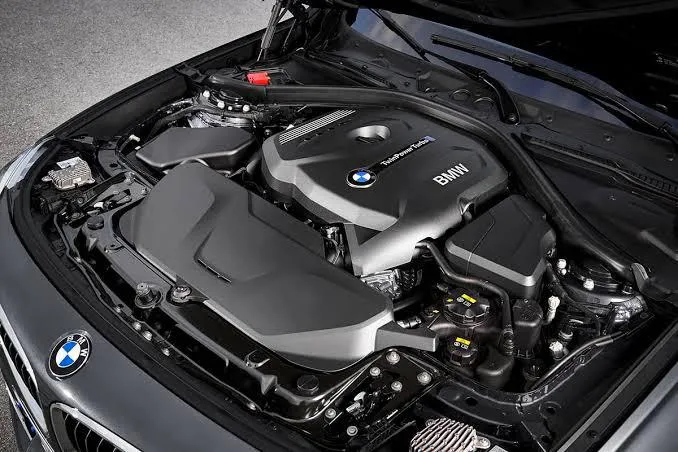
The PCV (Positive Crankcase Ventilation) system regulates pressure inside the engine crankcase and recycles blow-by gases back into the intake to burn. In the B58, the PCV valve (or diaphragm) is integrated into the valve cover rather than being a separate, easily serviceable component. This design simplifies packaging — but it also means that if the PCV diaphragm fails or leaks, the entire valve cover often needs replacement.
Over time, heat cycles, oil vapors and pressure stresses can degrade the PCV diaphragm or associated seals. On many B58 engines — especially earlier builds — this can lead to ruptured or leaking PCV diaphragms that can no longer properly regulate crankcase pressure.
Common Symptoms of a Bad PCV on a B58
B58 owners experiencing PCV problems often observe one or more of the following:
-
White or bluish smoke from the exhaust, sometimes especially on idle or light throttle.
-
Excessive oil consumption, needing to add oil more frequently than normal.
-
Oil leaks around the valve cover, or oil seeping out through seals and gaskets (because internal pressure pushes oil past seal boundaries).
-
Rough or unstable idle, misfires, or hesitation — due to vacuum leaks or improper crankcase pressure affecting combustion.
-
Whistling, squealing or hissing noises from the engine compartment, especially at idle.
-
Oil in the intake piping, intercooler, or turbo charge-pipes (on boosted models), which can lead to oil-fouled intake paths, reduced performance, and additional problems.
Because the PCV is integrated into the valve cover on many B58 builds, simply replacing hoses or external components often doesn’t solve the root issue — the faulty diaphragm or cover must be addressed directly.
Why Many B58 PCV Failures End Up Affecting More Than Just PCV
When the PCV system fails, pressure imbalance in the crankcase can force oil past other weak points — gaskets, seals, valve-cover gasket, oil filter housing — causing secondary leaks and oil pooling. In turbocharged B58 engines, oil may get drawn into the intake or intercooler, which can spoil combustion, cause smoking, and lead to long-term degradation of intake/turbo components.
Also, over time, those oil leaks and increased oil consumption can lead to low oil levels if unnoticed, putting critical engine internals (turbo, bearings, valvetrain) at risk.
How Excella Automotive Diagnoses and Repairs B58 PCV Issues
At Excella Automotive, when a B58 comes in with smoking, oil consumption, rough idle, or suspected PCV failure, we follow a comprehensive diagnostic and repair approach:
-
Perform a visual inspection of the valve cover and PCV assembly for signs of oil seepage, damage or diaphragm failure.
-
Check for oil contamination in the intake system (charge pipes, intercooler, intake manifold) — a common side-effect when PCV fails.
-
Inspect gaskets, seals, oil filter housing and other potential leak points to assess whether PCV failure has caused secondary oil leakage.
-
Pressure-test the crankcase and intake system to verify vacuum integrity and proper ventilation.
-
Replace the valve cover (with integrated PCV) if necessary — using OEM or improved components — along with any compromised hoses, seals, or gaskets.
-
After parts replacement, perform a full engine test: blow-by pressure, idle quality, oil consumption monitoring, exhaust behavior, and intake integrity check to ensure the issue is resolved.
Whenever possible, we recommend refreshing associated components (hoses, gaskets, intake seals) to prevent recurrence — particularly on high-mileage B58 engines.
Why Fixing a PCV Problem Early Matters
Because a failing PCV can lead to oil entering the intake, rising oil consumption, leaks, and potential turbo or engine damage — ignoring the issue is risky. Addressing the root cause early:
-
Prevents oil from being burned or entering the intake/trust/pipes
-
Avoids leak-related oil loss and protects seals, gaskets, and ancillary components
-
Stabilizes crankcase pressure to ensure proper engine performance, idle, emissions, and longevity
-
Minimizes risk of turbo or intake damage from oil contamination
For B58 owners, especially those using their cars hard or under boost, timely PCV maintenance is crucial.
If You Drive a B58 and Notice Issues — Bring It to Excella Automotive (Toronto)
If you own a B58-powered BMW and you’ve noticed exhaust smoke, excessive oil use, oil leaks, rough idle, or oil smell from intake/charge piping — don’t wait until the problem worsens. Bring your car to Excella Automotive. Our BMW-specialist team will perform the full diagnostics, recommend necessary valve-cover/PCV replacement, inspect related components, and help restore smooth, reliable operation.
We treat every B58 with the care and expertise it deserves — whether stock or modified.
BMW B58 PCV problems
B58 PCV failure symptoms
B58 valve cover PCV replacement Toronto
BMW B58 excessive oil consumption
B58 exhaust smoke B58 oil leak fix
BMW B58 crankcase ventilation issues
B58 PCV valve Toronto repair shop